
Greenville Lawn Mowing Schedule: How Often Should You Cut Your Grass?
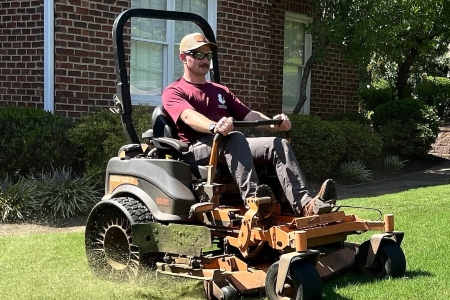
If you want a thick, green yard that looks good from Augusta Road to North Main, your Greenville lawn mowing schedule matters. The right cadence protects roots, reduces weeds, and keeps the yard camera-ready for weekend cookouts. When you’re ready for a reliable plan, our lawn mowing service builds a schedule around your grass type, shade, and the Upstate’s warm, humid summers.
What Drives Grass Growth In Greenville, SC
Greenville sits in the transition zone, which means both warm-season and cool-season grasses are common. Many homes in neighborhoods like Overbrook, Gower Estates, and Travelers Rest have Bermuda, zoysia, or centipede that wake up as the soil warms. Others in shadier spots lean on tall fescue that prefers spring and fall. Rainy stretches and summer heat waves can change growth speed quickly, so a fixed calendar only goes so far. The best plans flex with the weather and your turf’s response.
Month-By-Month Greenville Lawn Mowing Schedule
Early Spring (March)
As days get longer, growth begins. Warm-season lawns wake up slowly, while fescue ramps up sooner in shadier yards. A light trim sets the stage for steadier weekly visits later in spring. Avoid scalping warm-season lawns coming out of winter dormancy.
Mid To Late Spring (April–May)
This is prime growth season for both fescue and warm-season turf. Weekly mowing keeps color even and prevents clumps. If your property borders woods or stays damp, plan for steady timing to manage flushes of growth after rain.
Summer (June–August)
Heat and humidity define Upstate summers. Bermuda and zoysia are in their stride and usually stay on a weekly schedule. Fescue may slow down in sunny spots and appreciate a slightly higher cut. Raise height during heat waves so the lawn can hold moisture and resist stress.
Early Fall (September–October)
Warm days and cooler nights often bring a second growth burst. Keep weekly service until growth eases. Fescue thickens in fall, so staying on schedule makes a big visual difference in places like Botany Woods and Nicholtown.
Late Fall To Winter (November–February)
Warm-season grasses go dormant and need fewer cuts. Fescue remains active on mild days but slows enough for bi-weekly or as-needed visits. Leaves and pine needles can smother turf, so pairing mowing with seasonal cleanup helps the lawn breathe.
Why Timing Matters More Than You Think
Mowing sets the rhythm for your entire landscape. On fescue, steady timing means thicker, cooler soil and fewer weeds along beds. On Bermuda and zoysia, consistent cuts keep that showpiece, striped look along curb lines and around patios. In neighborhoods with heavy foot traffic or pets, tight scheduling also prevents matting and uneven wear in play areas.
If your lawn has recurring trouble spots, pairing mowing with targeted care can help. This article on common lawn problems in greenville explains how issues like weeds, thin patches, and drainage interact with mowing frequency.
What A Pro Schedule Looks Like In The Upstate
Professional crews don’t follow a one-size plan. They map zones for sun and shade, watch storm tracks, and anticipate growth surges. In Downtown Greenville condos with small lawns, weekly summer service prevents overgrowth between busy weeks. In larger lots near Travelers Rest, a tailored plan might run weekly in summer, then bi-weekly when morning temperatures drop.
Consistency across the property matters just as much as the calendar. That is why we coordinate mowing with edging, pruning, and spot weed control to keep borders crisp and beds clean. If you want a single team that handles it all, explore our full category for lawn maintenance to see how the services fit together through the year.
How Weather And Watering Change The Plan
Heavy downpours, afternoon pop-up storms, and dry spells are normal here. After a wet week, growth can jump quickly. During a dry stretch, growth slows, but the lawn still benefits from regular, lighter cuts that protect color and density. Aim for even intervals rather than long gaps followed by aggressive cuts. That keeps stress down and the yard photo-ready for weekends.
Scheduling also depends on how much you water. Irrigated Bermuda or zoysia in Mauldin and Greer will almost always need a weekly summer slot. Non-irrigated fescue in partial shade can stretch to bi-weekly once growth tapers in late fall.
A Note On Clippings And Cleanliness
Short, frequent cuts create small clippings that filter down to soil and return nutrients. Big clumps left on top shade the grass and cause yellowing. When needed, our team bags or disperses clippings to protect your turf’s color and texture, especially on showpiece front lawns along Pleasantburg and Wade Hampton Boulevard.
Set Your Greenville Lawn On A Reliable Rhythm
Want a plan that flexes with storms, heat, and your grass type? Start with a steady schedule and let our team tune it as the season shifts. For many homes, that means weekly in peak growth and bi-weekly as things slow. If you need a dependable partner, our weekly lawn mowing keeps your yard consistent without you watching the weather every day.
You can also learn about related care that supports a clean cut and even color through the seasons by browsing lawn maintenance. For a quick overview of services and to explore our greenville lawn mowing schedule approach, visit Chanticleer GroundKeepers, Inc. online or call 864-209-1322. We serve Greenville, Taylors, Greer, Easley, and Travelers Rest.
Ready For A Reliable Mowing Rhythm?
Let a local crew handle the timing, so your weekends stay free. We will set the right cadence for your turf and keep it looking sharp from the first cut of spring to the last touch-up of fall. Book your visit with Chanticleer GroundKeepers, Inc. today and lock in a schedule that fits your yard and your calendar at our lawn mowing service.